
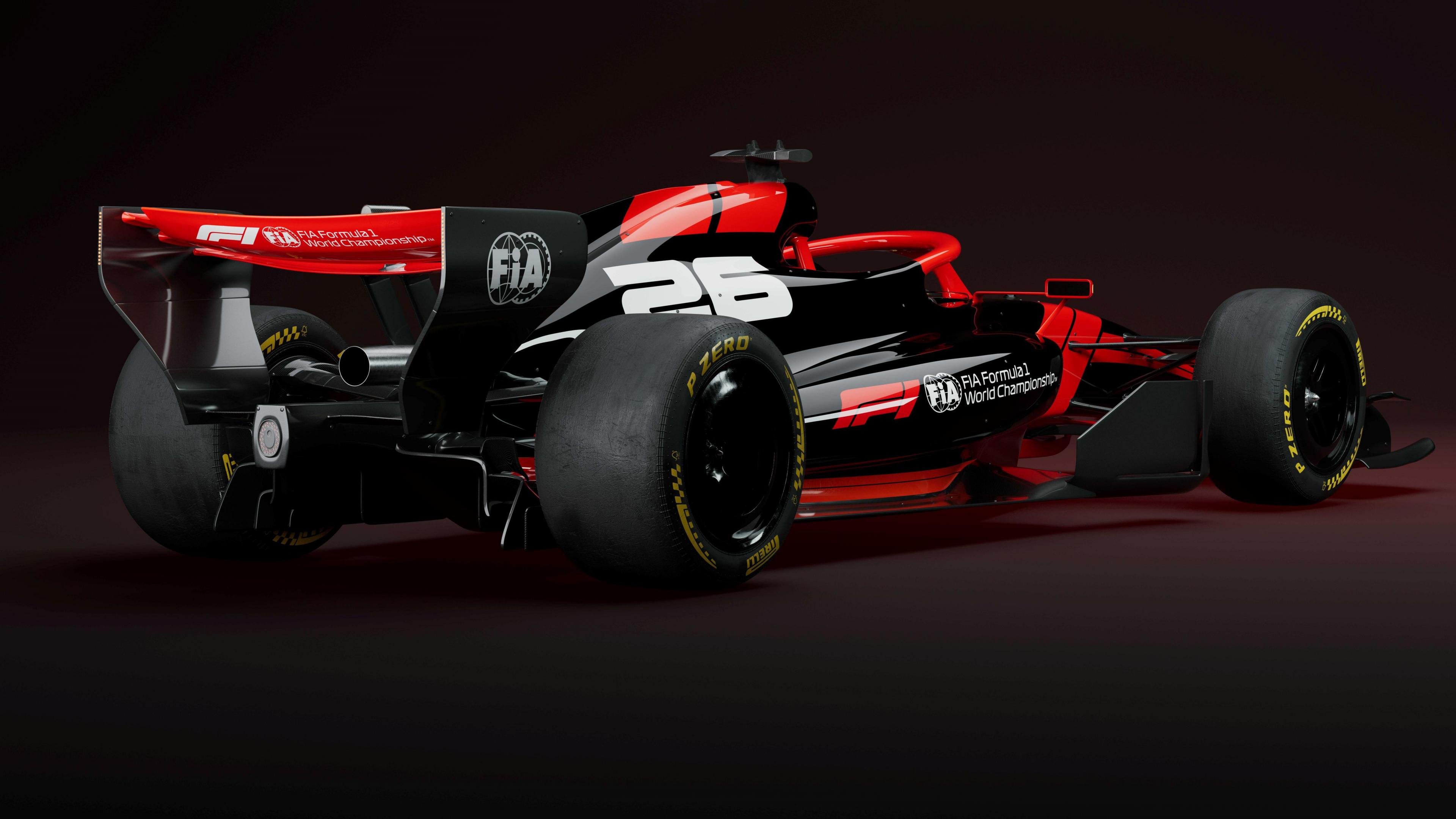
The 2026 Formula 1 cars are expected to be more compact, agile and eco-conscious than this year.
Formula 1 has unveiled the simplified terminology that will be used to describe the intricate details of its upcoming 2026 regulations.
The championship is implementing what is considered the biggest technical shift in its long history starting in 2026, featuring revised car and engine specifications and the compulsory introduction of fully sustainable fuels.
The updated 1.6-litre V6 turbo hybrids, which keep the hybrid V6 layout, boast a greatly enhanced electrical capacity, driving major innovations in the cars' aerodynamics.
During grand prix events, drivers will tactically deploy battery power – sometimes even hot laps – to secure the peak lap time.
Extensive fan consultation were carried out with a mix of viewers, including new, casual and core fans, to determine which terms would make things clearer of the central aspects of the 2026 changes.
The stated goal was to present a set of intricate features of the sport as straightforward as possible for the widest audience.
Consequently, older technical labels for some systems – such as "alphabetical mode names" for the moveable wings – have been discarded in favour of intuitive labels that succinctly convey the primary purpose of the technology.
Key Technical Innovations
Regulators explain that racers will have greater control to make decisions regarding battery management, harvesting, and saving energy.
The 2026 rules introduce a range of settings that will be shown on TV overlays to improve the viewers' comprehension of the on-track action.
- Overtake Mode: This replaces the existing Drag Reduction System. It provides a short boost of battery power accessible when a competitor is less than a second the leading car to assist with an overtake.
- Power Mode: This is a manual energy deployment from the energy recovery system that can be deployed for overtaking or defending. It delivers the driver maximum power at the click of a switch.
Both of these key functions will have to be used with calculation, as the total energy is restricted.
- Adjustable Aero: Both the car's wings move automatically – spreading on the high-speed sections for minimal air resistance and higher speed, and sealing in the bends for optimal cornering performance.
- Recharge: Drivers can recharge the energy store with energy harvested under braking, or during coasting at the end of straights or in corners where only partial power is required.
What's Changing on the Cars?
The next-generation machines will be more compact and lighter than this year, with a wheelbase shortened by 200mm to 3,400mm, overall width reduced by 100mm – down to 1,900mm – and the lowest permissible weight decreased by 30kg.
Cumulative downforce is expected to drop by approximately 15-30%, although teams will naturally regain performance as they develop their cars.
Air resistance has been reduced by 40%. The vehicles will employ active aerodynamics – front and rear wings will adjust on the straight sections to improve speed and boost top speed and revert into place for optimal grip in corners.
Tyres will continue to use the current rim size, but the rubber compounds will be reduced in width, by a quarter-centimetre on the front and 30 millimetres on the rear axle.
What's Changing in the Engines?
The revised hybrid units will have an roughly half-and-half distribution in power produced by the ICE and the ERS, up from about one-fifth electric power this year.
The hybrid system is streamlined through the removal of the Motor Generator Unit – Heat, the intricate and expensive unit that recovered energy from the turbocharger.
Every car on the grid will be mandated to operate on fully sustainable fuel, created from organic sources or lab-created processes.


